
Trademark Clearinghouse (TMCH): Why Businesses Need It for Digital Brand Protection

Your Trademark Is Registered. But Is Your Brand Protected Across the Digital World?
A trademark is more than a name or logo. It represents your business identity, reputation, and the trust customers place in your organisation.
For enterprises operating across multiple markets, protecting that identity is increasingly important as the digital landscape continues to expand.
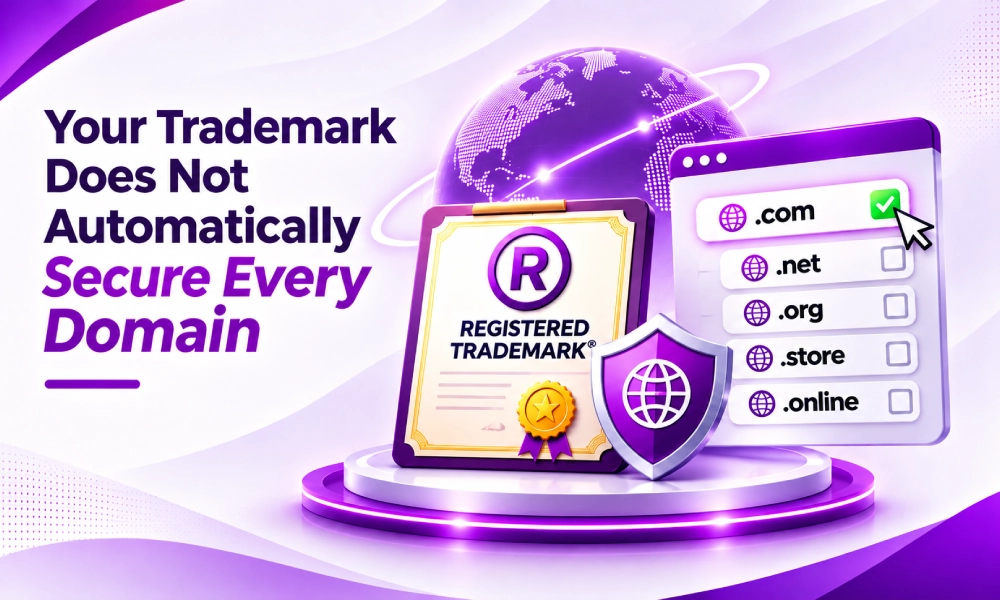
Registering a trademark provides legal rights, but it does not automatically secure your brand name across every domain extension.
As new generic top-level domains (gTLDs) become available, businesses may face additional challenges involving trademark-related domain registrations, brand impersonation, and unauthorised use of their brand names.
This is where Trademark Clearinghouse (TMCH) plays an important role.
TMCH provides a structured mechanism for trademark owners to participate in eligible new domain launches and receive notifications of matching domain registrations.
Understanding how TMCH works can help businesses take a more proactive approach to protecting their digital identity.
What Is Trademark Clearinghouse (TMCH)?
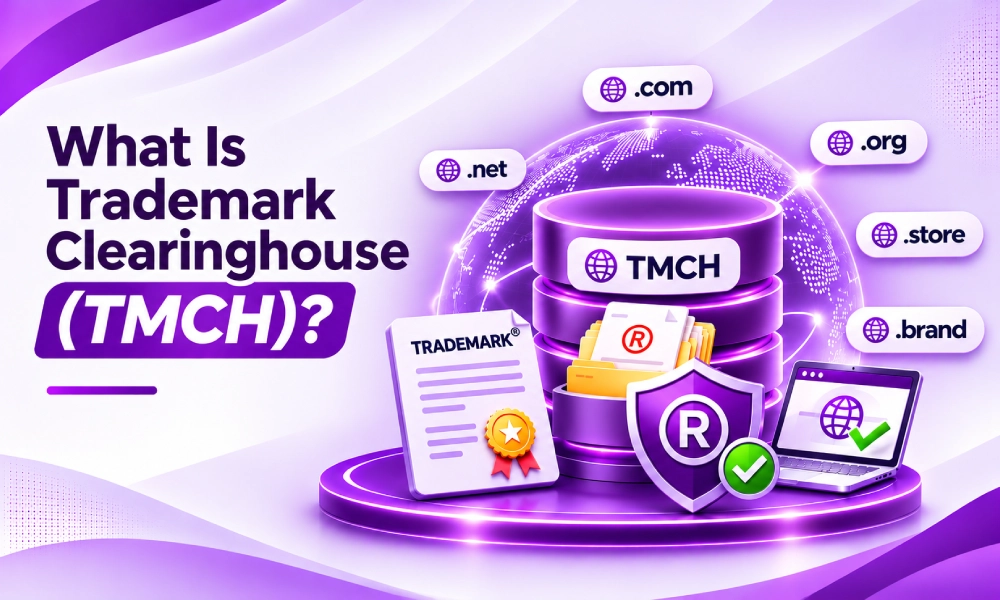
Trademark Clearinghouse (TMCH) is a centralised database of verified trademark information established as part of ICANN’s new gTLD programme.
It supports trademark rights protection mechanisms associated with the introduction of new generic top-level domains.
Trademark owners can submit eligible trademark records for verification, allowing them to access specific services designed to support their rights during new domain extension launches.
Two of the primary services are:
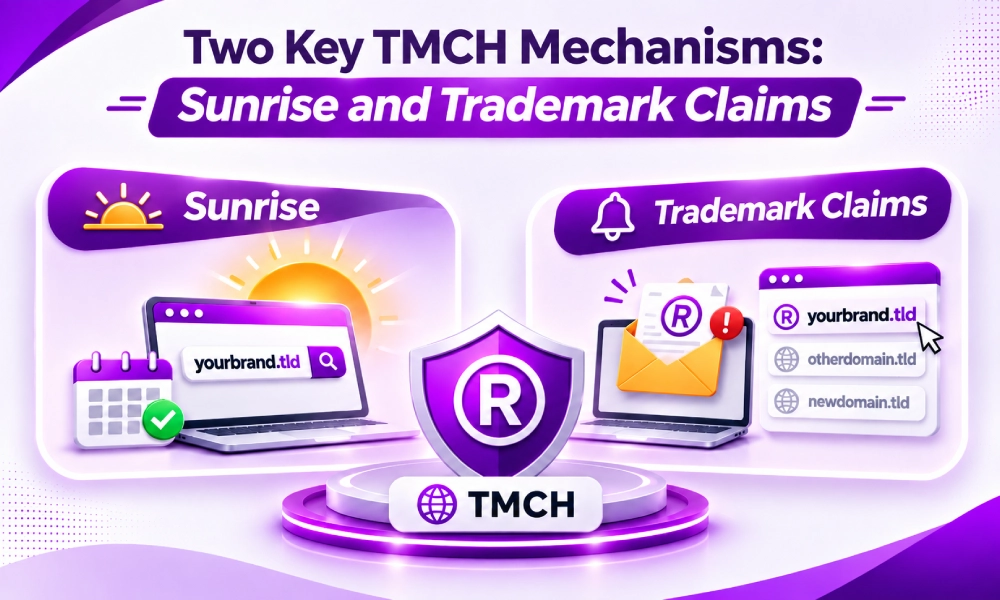
- Sunrise Services: Allow eligible trademark owners to apply for matching domain names before general registration opens.
- Trademark Claims Services: Provide notifications concerning domain name registrations matching verified trademark records during applicable Claims periods.
TMCH does not replace national or international trademark registration. Instead, it complements existing trademark rights by providing additional protection mechanisms within the domain name ecosystem.
Why Is Trademark Registration Alone Not Enough?
Registering a trademark is an important step in establishing legal rights over a brand.
However, owning a registered trademark does not automatically give a business ownership of every matching domain name.
For example, a company may own its primary domain under .com, but new domain extensions can introduce additional naming opportunities that the company has not yet considered.
Without appropriate monitoring and registration planning, businesses may overlook domain names that are relevant to their brand identity.
Potential concerns include:
- Third parties registering domain names matching existing trademarks.
- Customers confusing similar domain names with an official business website.
- Unauthorised use of brand names in misleading websites.
- Additional administrative and legal costs when addressing trademark-related domain disputes.
These risks demonstrate why enterprises should consider domain name protection as part of their broader brand management strategy.
How Does Trademark Clearinghouse Help Businesses?
1. Early Access to Domain Names Through Sunrise Registration
When a new gTLD launches, an eligible Sunrise period allows verified trademark owners to apply for domain names corresponding to their trademarks before general registration begins.
This provides businesses with an opportunity to evaluate and secure relevant domain names at an earlier stage.
For example, a business preparing to expand its digital presence may wish to secure its trademark under a newly introduced extension that aligns with its industry or future business plans.
Participating in Sunrise registration can help organisations take a more proactive approach to domain portfolio planning.
However, Sunrise eligibility does not guarantee successful registration. Applications remain subject to the relevant registry’s allocation policies, eligibility conditions, and registration requirements.
2. Stay Informed Through Trademark Claims Notifications
Another important TMCH feature is its Trademark Claims Service.
During the applicable Claims period, individuals attempting to register a domain name matching a verified trademark record are shown a notice about the existing trademark.
If they proceed with the registration, the corresponding trademark owner may receive a notification.
This provides businesses with greater awareness of matching domain name registrations during the launch period.
With this information, an organisation can assess whether further investigation or action is necessary.
Importantly, a matching domain registration does not automatically establish trademark infringement.
Each situation should be evaluated according to its circumstances and applicable trademark rights.
3. Support Proactive Digital Brand Protection
Many businesses address domain-related trademark issues only after an unfamiliar website or registration comes to their attention.
However, responding after an issue emerges may require additional investigation, coordination, and potentially legal action.
TMCH supports a more proactive approach by allowing enterprises to prepare for new domain launches and receive relevant registration notifications.
Rather than relying entirely on reactive measures, businesses can incorporate TMCH into their ongoing digital asset management processes.
4. Improve Domain Portfolio Planning
Enterprises often maintain multiple domain names for different brands, products, markets, and business functions.
As their digital presence expands, managing these assets becomes increasingly complex.
TMCH can support domain portfolio planning by helping organisations identify new registration opportunities associated with their verified trademarks.
This allows businesses to make more informed decisions about which domain extensions are relevant to their brand strategy.
Not every available extension needs to be registered. The objective is to identify and prioritise domain names that support the organisation’s commercial, branding, and risk management needs.
Why Should Enterprises Consider TMCH?
Established Brand Recognition
Well-known brands may attract greater attention from third parties seeking to register similar or matching domain names.
Multiple Products or Business Divisions
Enterprises managing several brands and product identities may need a structured approach to assessing new domain opportunities.
International Business Operations
Organisations operating across different markets may need to coordinate domain registration and trademark protection strategies across multiple jurisdictions.
Business-Critical Digital Services
Domains support corporate websites, customer communication, and online platforms. Clear ownership and control of relevant domain names help strengthen digital asset management.
Dedicated Legal and Brand Protection Teams
TMCH notifications can provide additional information for teams responsible for monitoring and evaluating potential trademark-related domain issues.
For these organisations, TMCH can form part of a broader strategy to maintain visibility and control over digital brand assets.
Does TMCH Automatically Prevent Trademark Infringement?
No.
It is important to understand that TMCH is a trademark verification and rights-protection mechanism, not a complete brand protection solution.
TMCH does not automatically:
- Prevent every third party from registering a matching domain name.
- Guarantee ownership of a domain during Sunrise registration.
- Detect every form of brand impersonation or phishing.
- Remove websites that misuse a trademark.
- Replace trademark enforcement or legal dispute procedures.
Its primary value lies in supporting early registration opportunities and providing notifications under applicable programmes.
Businesses should combine TMCH with appropriate domain management, monitoring, and enforcement measures to develop a more comprehensive digital brand protection strategy.
How Can Businesses Strengthen Their Digital Brand Protection Strategy?
TMCH works best when incorporated into a wider digital brand management framework.
Enterprises should consider the following practices.
1. Review Trademark and Domain Assets
Maintain an accurate inventory of registered trademarks, domain names, relevant markets, and responsible stakeholders.
2. Identify Important Domain Extensions
Assess which new and existing extensions are commercially relevant to the organisation’s brands, products, and services.
3. Prepare for New Domain Launches
Monitor upcoming domain extension launches and evaluate whether eligible Sunrise registration opportunities should be pursued.
4. Establish Trademark Monitoring Procedures
Review relevant trademark-related notifications and investigate potentially concerning registrations when appropriate.
5. Coordinate Brand Protection Responsibilities
Ensure legal, brand management, IT, and security teams have clear responsibilities for reviewing domain-related risks.
6. Plan Appropriate Enforcement Actions
Where a domain registration raises legitimate trademark concerns, seek professional guidance on available options, including applicable domain dispute resolution procedures.
A coordinated approach helps enterprises manage their digital identity more effectively while reducing unnecessary operational complexity.
How Web.Plus Supports Enterprise Brand Protection

Protecting a business’s digital identity requires more than registering domain names and trademarks.
It also involves planning, monitoring, governance, and timely responses to potential risks.
Through Web.Plus Professional Services, enterprises can explore solutions designed to strengthen their digital brand protection strategies.
Web.Plus offers professional services across several areas, including:
- Trademark Clearinghouse (TMCH) Protection: Supporting trademark-related domain protection through applicable TMCH mechanisms.
- Domain Watch & Enforcement: Helping organisations monitor potential domain-related brand risks and pursue appropriate responses.
- Domain Portfolio Consolidation: Helping enterprises manage and organise domain assets more effectively.
- Digital Identity Services: Supporting trusted online identities through appropriate domain and certificate-related solutions.
By bringing together these capabilities, Web.Plus helps organisations adopt a more structured approach to managing and protecting their digital brand presence.
Conclusion: Is Your Trademark Protection Strategy Ready for the Expanding Digital Landscape?
Your business may already have registered trademarks, but have you considered how those rights are supported when new domain extensions enter the market?
As organisations expand their digital presence, maintaining visibility over relevant domain registration opportunities becomes increasingly important.
Trademark Clearinghouse (TMCH) offers enterprises a structured way to participate in eligible Sunrise periods and receive trademark-related domain registration notifications.
While TMCH cannot eliminate every digital brand risk, it provides an important additional layer within a broader brand protection strategy.
At Web.Plus, we believe that protecting digital identity requires a proactive and coordinated approach.
From trademark-related domain protection to monitoring, strategic acquisition, and digital asset management, our Professional Services help enterprises strengthen their brand presence and manage important digital assets with greater confidence.
Is your business taking the right steps to protect its digital identity?
Protect Your Brand with Web.Plus Professional Services
Frequently Asked Questions
No. TMCH enables eligible trademark owners to participate in Sunrise registration, but successful registration depends on the relevant registry’s rules and allocation policies.
Yes. Enterprises managing multiple eligible trademarks may consider TMCH as part of their broader digital brand protection and domain portfolio management strategies.