
Digital Trust Is Becoming a Business Requirement, Not Just a Security Goal
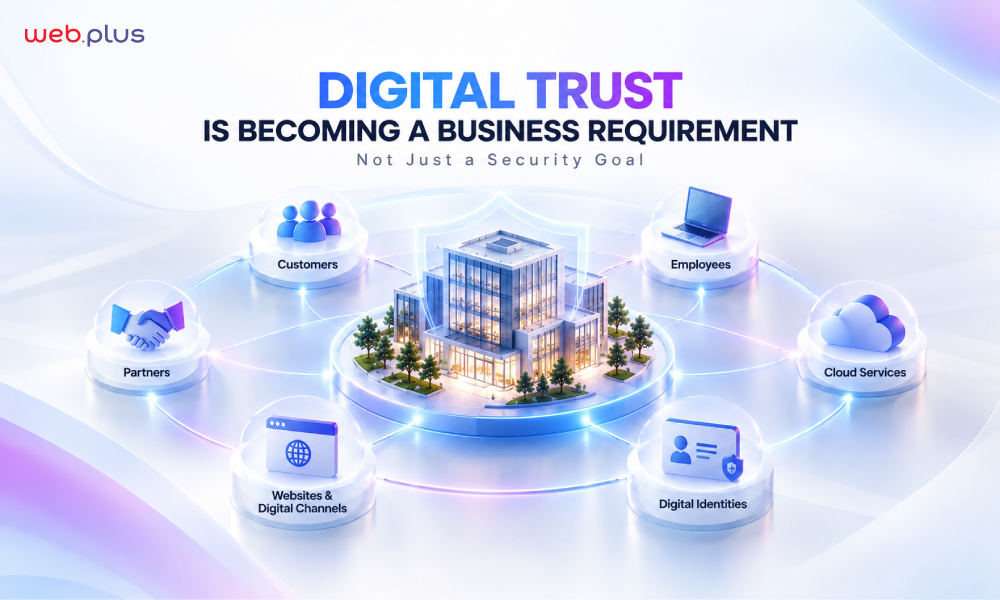
As businesses become more digital, protecting systems and data is no longer the only priority. Organisations must also ensure that customers can trust their digital interactions, that online identities remain protected, and that essential digital services operate reliably.
This is where Digital Trust becomes a business requirement rather than simply a cybersecurity objective.
Digital Trust is the confidence that people and organisations have in the security, reliability, authenticity, and responsible management of digital systems and interactions. For businesses, it means creating a digital environment where customers, employees, and partners can interact with confidence.
The key shift is clear: Digital Trust is no longer just about protecting technology. It is about protecting the relationships and operations that businesses depend on.
What Is Digital Trust in Business?
Digital Trust refers to the confidence that an organisation’s digital services, identities, data, and interactions are secure, reliable, and authentic.
It involves several connected areas:
- Cybersecurity: Protecting systems, networks, and information against digital threats.
- Digital Identity: Establishing and verifying the authenticity of digital entities and interactions.
- Domain Security: Protecting the domain names and online infrastructure that represent a business.
- Digital Brand Protection: Identifying and addressing online impersonation, fraudulent websites, and brand misuse.
- Data Protection: Managing sensitive information responsibly and protecting it against unauthorised access.
- Operational Reliability: Maintaining the availability and integrity of digital services.
These elements work together to support a trustworthy digital environment.
For example, a business may have strong internal cybersecurity controls, but customers could still encounter a fraudulent website impersonating its brand. Although the company’s internal systems remain secure, customer confidence and brand reputation may still be affected.
This demonstrates why Digital Trust requires a broader approach than traditional cybersecurity alone.
Why Is Digital Trust Becoming a Business Requirement?
Digital Trust is becoming increasingly important because digital systems now support essential business activities, from customer transactions and communications to internal operations and partnerships.
As businesses expand their digital presence, weaknesses in digital identity, brand protection, or operational security can have consequences beyond the IT department.
- Customer Trust Directly Influences Business Relationships
Customers expect digital interactions to be secure, reliable, and legitimate.
Whether they are accessing an online banking platform, purchasing products, or communicating with a service provider, they need confidence that they are interacting with the right organisation.
However, threats such as phishing websites, look-alike domains, and brand impersonation can make it difficult for customers to distinguish legitimate services from fraudulent ones.
When customers lose confidence in a business’s digital presence, the impact may extend beyond a single incident. It can affect brand perception, customer relationships, and future purchasing decisions.
For businesses, Digital Trust therefore plays an important role in maintaining customer confidence throughout the digital experience.
- Digital Risks Are Becoming Business Risks
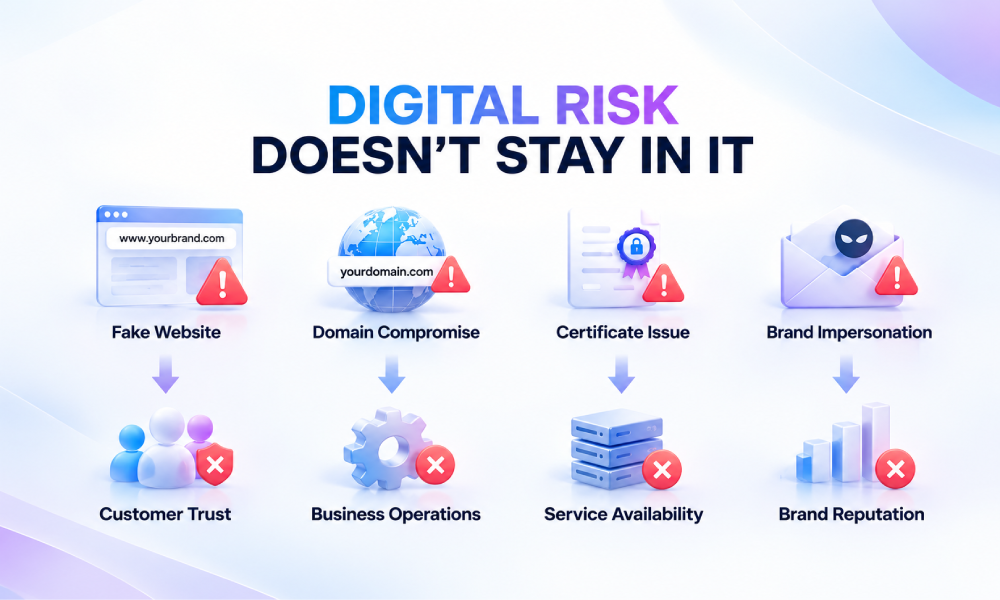
Cybersecurity incidents are often discussed in technical terms, such as compromised credentials, expired certificates, or unauthorised access.
But their consequences are frequently commercial and operational.
Consider these examples:
- An expired SSL/TLS certificate can interrupt access to a customer-facing website or application.
- A compromised business domain can disrupt online services and communications.
- A fraudulent website impersonating a company can mislead customers and damage brand credibility.
- Poor visibility into digital assets can delay incident detection and response.
These are not simply IT problems. They can affect service availability, business continuity, customer experience, and organisational reputation.
This is why Digital Trust should be considered within broader business risk management rather than treated as an isolated technical responsibility.
- Digital Transformation Creates More Assets to Protect
Businesses are increasingly adopting cloud services, digital platforms, online applications, and interconnected technologies.
These developments create opportunities to improve efficiency, reach customers, and expand into new markets.
However, they also introduce more digital assets that organisations need to manage.
A growing enterprise may operate multiple websites, domains, cloud environments, digital certificates, and customer-facing applications across different countries.
Without clear ownership and centralised visibility, managing these assets can become increasingly complex.
For example, a company expanding across Asia-Pacific may need to manage domain portfolios across multiple country-code top-level domains (ccTLDs), coordinate renewals, and protect its brand identity in different markets.
A Digital Trust strategy helps organisations approach these responsibilities systematically, ensuring that digital growth is supported by appropriate protection and governance.
- Security and Compliance Expectations Continue to Evolve
Businesses face growing expectations from customers, business partners, and regulators regarding how they manage digital security and information.
For organisations operating across multiple markets, these expectations may differ depending on the industry, location, and type of data being handled.
Digital Trust supports these responsibilities through stronger governance, appropriate security controls, visibility into digital assets, and consistent management practices.
However, adopting Digital Trust solutions does not automatically establish regulatory compliance. Organisations must assess the specific legal, contractual, and industry requirements applicable to their operations.
The business objective is to create a more accountable and resilient digital environment.
Digital Trust vs Cybersecurity: What's the Difference?
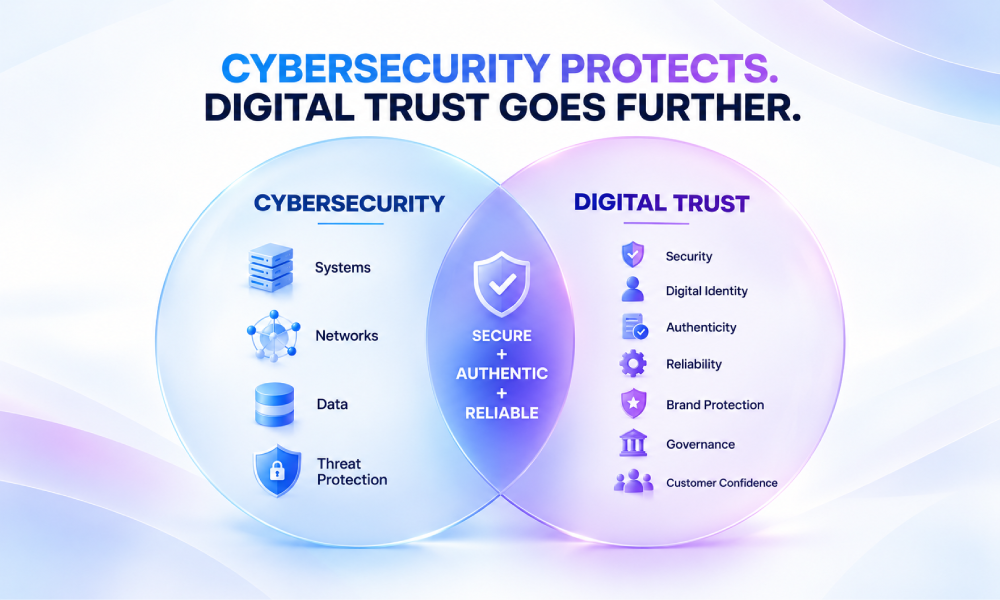
Although Digital Trust and cybersecurity are closely connected, they are not interchangeable.
Cybersecurity focuses primarily on protecting digital systems, networks, and data. Digital Trust is broader: it concerns whether people and organisations can confidently rely on digital identities, services, interactions, and the practices supporting them.
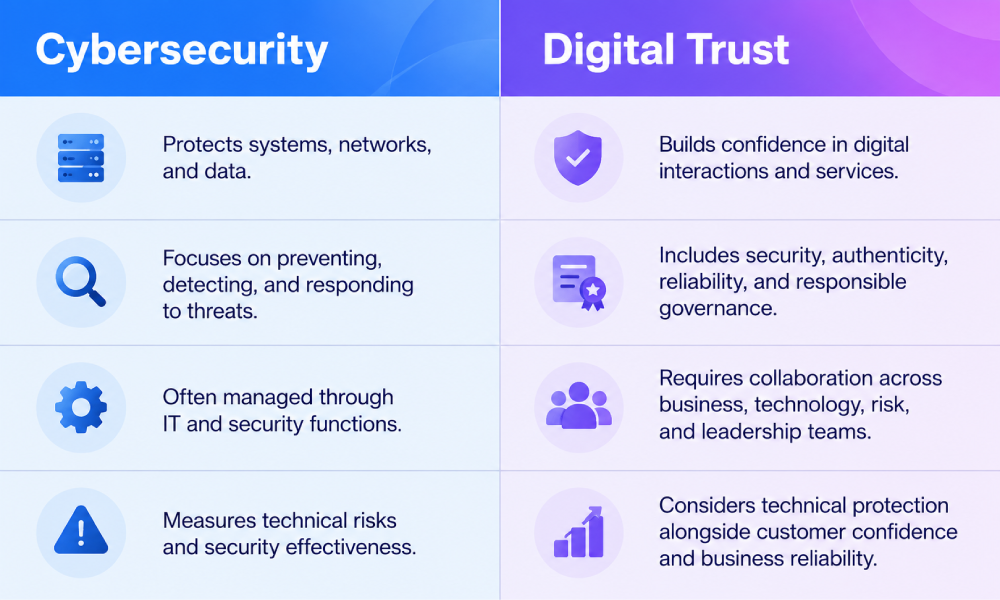
Table 1: Digital Trust vs Cybersecurity: What's the Difference?
Cybersecurity is an essential foundation of Digital Trust, but technology alone cannot establish trust.
Businesses must also demonstrate responsible management, transparency, consistency, and accountability.
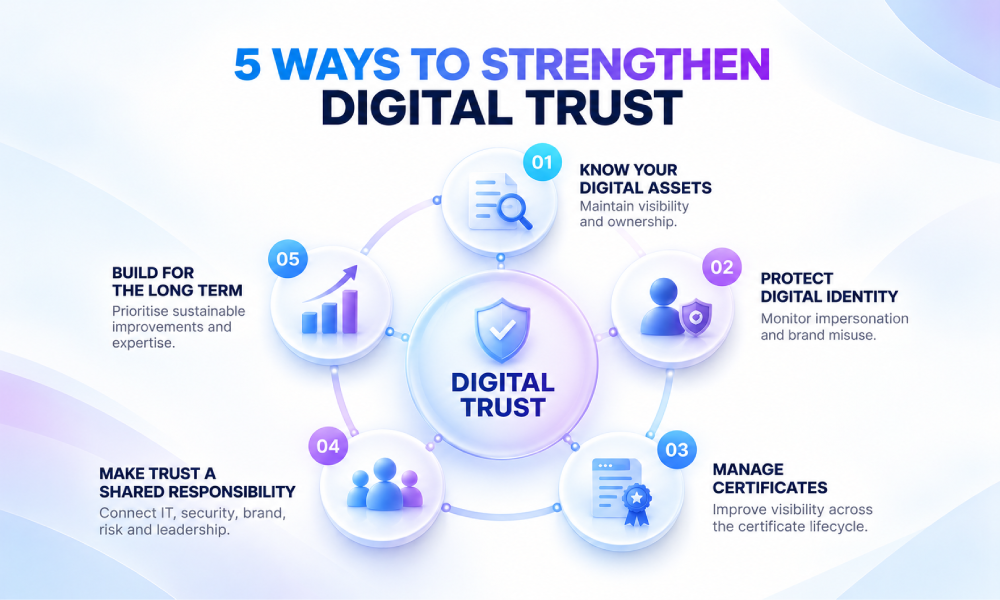
Five Practical Ways Businesses Can Strengthen Digital Trust
Building Digital Trust does not necessarily require organisations to replace their existing technology infrastructure.
A more practical approach is to identify critical digital assets, understand existing risks, and strengthen the processes that protect them.
- Establish Clear Visibility and Control Over Digital Assets
Businesses should maintain an accurate inventory of their domain names, digital certificates, and other critical digital assets.
This includes understanding who owns each asset, who can access it, when it requires renewal, and which business services depend on it.
For organisations managing multiple brands or operating across different markets, centralised domain portfolio management can help improve visibility and reduce administrative complexity.
- Protect Digital Identity and Brand Authenticity
A company’s digital identity is an important part of how customers recognise and interact with its brand.
Organisations should consider monitoring for suspicious domain registrations, fraudulent websites, and unauthorised brand use.
Digital Brand Protection practices can help businesses identify potential impersonation attempts earlier and coordinate appropriate responses.
The objective is not simply to protect a brand name. It is to help customers recognise legitimate digital interactions.
- Improve Certificate Lifecycle Management
SSL/TLS certificates support authenticated and encrypted connections between users and digital services.
However, certificates require ongoing management throughout their lifecycle, including issuance, deployment, monitoring, renewal, and replacement.
As publicly trusted TLS certificate validity periods become shorter, businesses may face more frequent renewal and validation activities.
Certificate Lifecycle Management (CLM) solutions can help organisations improve certificate visibility, automate supported processes, and reduce the operational risks associated with manual management.
- Make Digital Trust a Shared Business Responsibility
Digital Trust should not depend entirely on the IT or cybersecurity department.
Different teams contribute to maintaining trust across the organisation:
- IT and cybersecurity teams manage technical controls and infrastructure.
- Marketing and brand teams help identify online impersonation and protect brand identity.
- Risk and compliance teams assess relevant obligations and governance practices.
- Business leaders align digital investments with customer expectations and organisational priorities.
Cross-functional coordination helps ensure that Digital Trust is considered throughout business operations.
- Work With Experienced Digital Trust Partners
As digital environments become more complex, organisations may benefit from working with technology partners who understand both technical requirements and business objectives.
An effective partner should help businesses identify relevant risks, prioritise improvements, and adopt solutions suited to their operational needs.
The focus should be on long-term value, not simply purchasing additional security products.
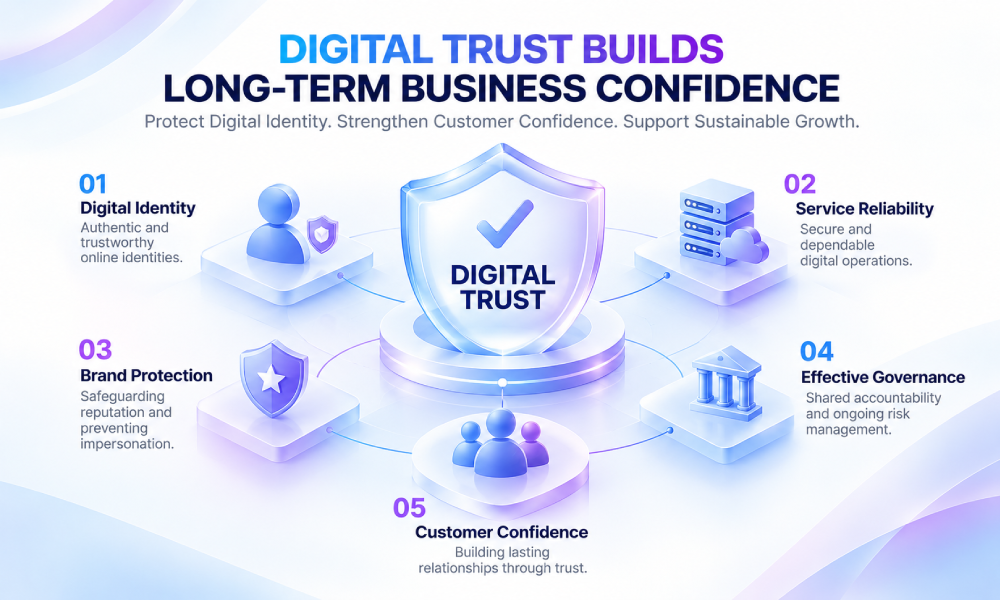
Digital Trust Is an Investment in Long-Term Business Confidence
As businesses continue to digitalise, Digital Trust will remain an important consideration in how they manage risk, serve customers, and pursue growth.
Cybersecurity remains essential, but protecting systems alone is not enough.
Organisations must also consider the authenticity of their digital identities, the reliability of their online services, the protection of their brands, and the confidence of the people who interact with them.
Digital Trust is not simply a security goal to achieve once. It is an ongoing business responsibility that requires consistent attention, effective governance, and the right expertise.
Businesses that take a proactive approach will be better positioned to manage digital risks, strengthen customer relationships, and support sustainable digital growth.
Frequently Asked Questions
Digital Trust is the confidence that users, businesses, and partners have in the security, authenticity, reliability, and responsible management of digital systems and interactions.
Digital Trust helps businesses protect their digital presence, maintain customer confidence, manage operational risks, and support reliable online services. It also contributes to stronger business relationships and long-term digital growth.
No. Cybersecurity focuses on protecting systems, networks, and data from threats. Digital Trust includes cybersecurity but also considers digital identity, service reliability, brand authenticity, governance, and confidence in digital interactions.
Businesses can strengthen Digital Trust by improving digital asset visibility, securing domain portfolios, monitoring online brand misuse, managing digital certificates, implementing appropriate security controls, and establishing clear governance responsibilities.
Domain names represent a business’s identity online. Effective domain management helps organisations maintain control over important digital assets, manage renewals, reduce domain-related risks, and support the continuity of online services.
Digital Brand Protection helps organisations identify and respond to online threats such as impersonation websites, look-alike domains, and unauthorised brand use. This supports brand authenticity and helps protect customer confidence.