
Your Brand May Be Under Attack Before the Attack Begins

Most organizations think a cyberattack begins when security systems raise an alert or customers start reporting suspicious activity.
In reality, the attack often starts much earlier.
Cybercriminals don’t always target your servers first. Instead, they quietly build fake websites, register lookalike domain names, create impersonation social media accounts, and launch fraudulent advertisements that mimic your brand. These activities can continue for days or even weeks before anyone inside your organization realizes something is wrong.
By the time the first complaint reaches your customer support team, the damage may already be underway.
The First Sign Isn't Always a Security Alert
Imagine launching a successful marketing campaign. Traffic is increasing. Sales are growing. Customer engagement looks promising.
Then your customer support team receives an unexpected enquiry. A customer claims they placed an order, but no such order exists in your system. Soon after, someone reports a fake Instagram giveaway using your logo. Another customer shares a website that looks identical to yours except for a single letter in the domain name.
The first question management usually asks is:
“How did this happen?”
But perhaps the better question is:
“Why didn’t we detect it sooner?”
The reality is that the attack didn’t begin when customers started reporting problems. It began days or even weeks earlier, when criminals quietly created fake digital assets designed to impersonate your business.
Your Customers Can't Tell the Difference
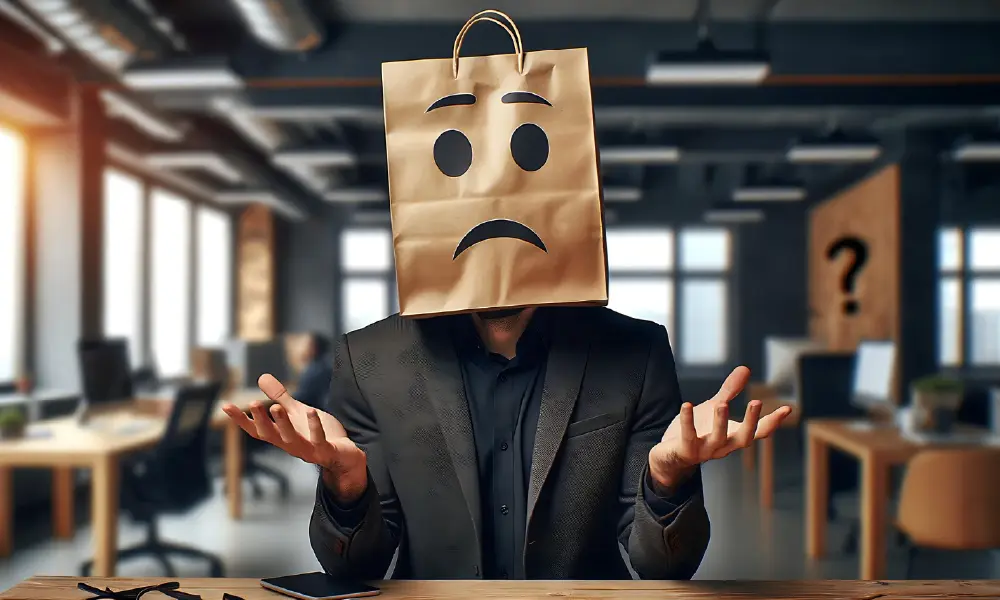
Online Brand Abuse Is Growing Faster Than Ever, Protect Your Business Before It Impacts Your Customers
Brand abuse has evolved into a global business problem.
According to the OECD and EUIPO, counterfeit trade is worth more than US$467 billion annually. Meanwhile, the U.S. Federal Trade Commission reported US$12.5 billion in consumer fraud losses during 2025 a 25% increase compared to the previous year.
At the same time, phishing websites, counterfeit online stores, fake mobile applications, impersonation accounts, and fraudulent advertisements continue to increase across virtually every industry. These attacks don’t just create isolated fraud cases. They reduce revenue, increase customer support costs, damage brand reputation, and slowly erode the trust businesses work so hard to build.
Every Minute Matters
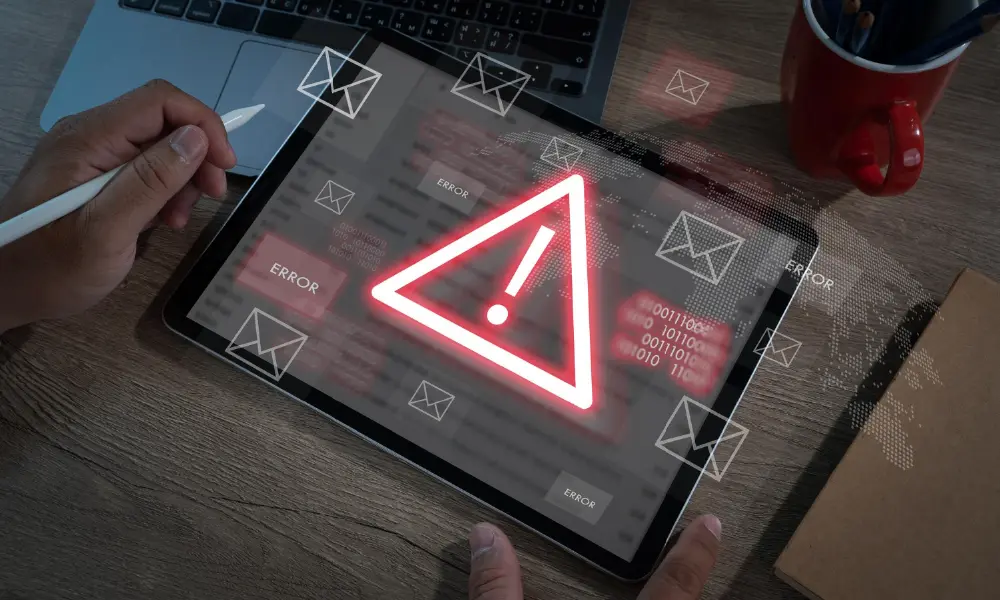
Once fake websites and impersonation accounts go live, they can spread rapidly through search engines, social media platforms, messaging applications, and online advertisements.
Every additional hour they remain online increases the likelihood of:
- Customers losing money
- Personal information being stolen
- Negative reviews appearing online
- Trust in your brand declining
The longer these threats go undetected, the more difficult it becomes to repair the damage.
Why Brand Protection Starts Before Customers Complain
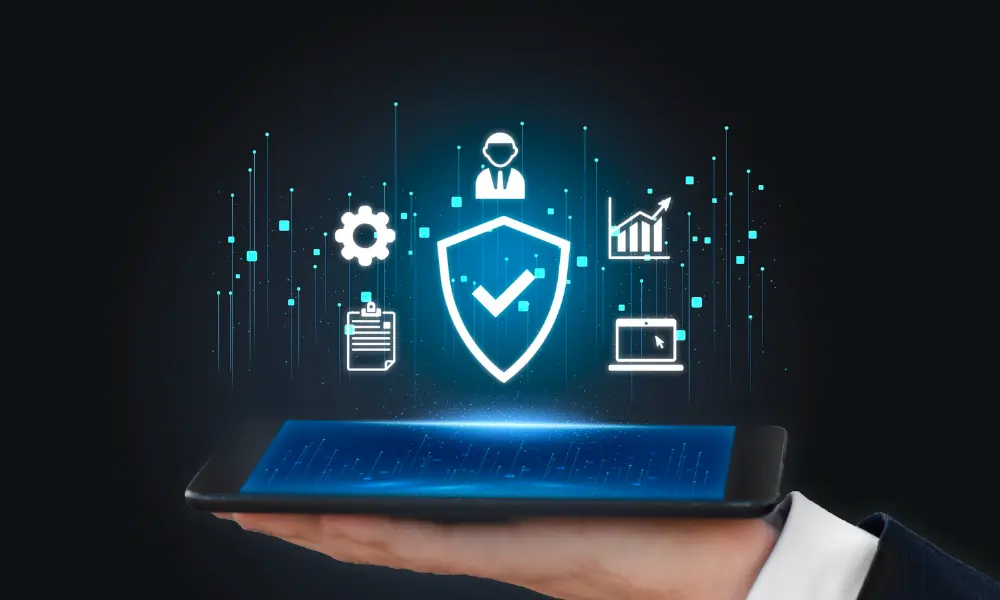
Many organizations invest heavily in responding to incidents after they occur.
Far fewer invest in detecting threats before customers become victims.
Modern digital brand protection focuses on continuously monitoring for:
- Typosquatting domains
- Phishing websites
- Fake social media accounts
- Fraudulent advertisements
- Mobile app impersonation
- Brand misuse across digital platforms
The objective isn’t simply to remove fake content.
It’s to discover it before your customers do.
Your Brand Is Built on Trust

Your logo, website, and products represent far more than your business they represent the trust your customers place in you.
Every fake website, phishing email, or impersonation account weakens that trust, even if your own systems remain completely secure.
By the time customers start reporting suspicious activity, the attack has already succeeded.
The question isn’t whether your brand will become a target. The question is whether you’ll discover the threat before your customers do.