
Hackers Are Targeting Your Brand, Not Just Your Systems
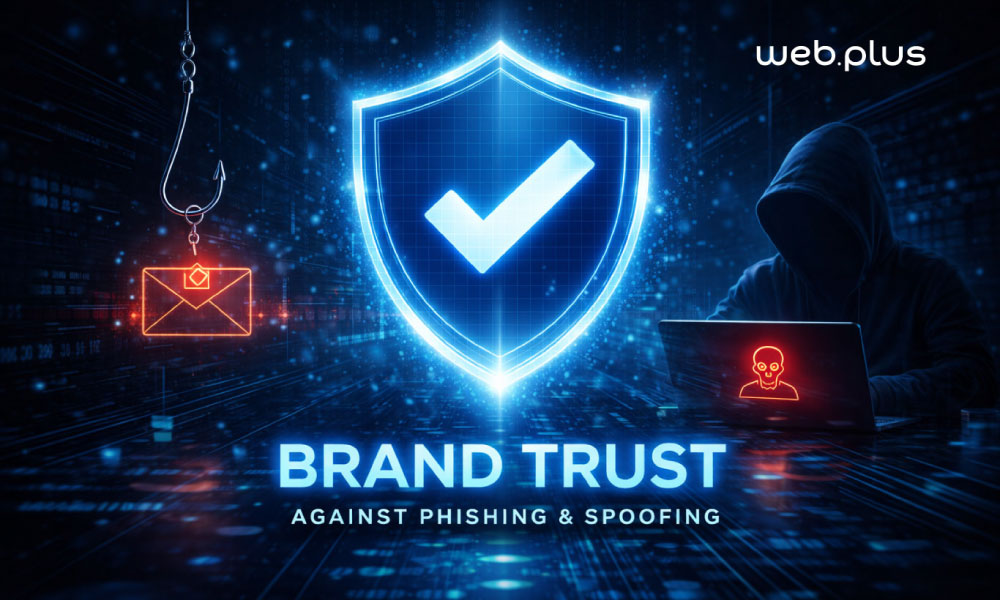
Brand trust used to be something companies built through marketing, customer experience, and consistent delivery. Today, it has taken on a far more critical role: it is now a frontline security concern. Cybercriminals are no longer just trying to break into systems, but they are impersonating brands themselves. Through phishing emails, spoofed domains, and fake websites, attackers exploit the credibility companies have spent years building, turning trust into a vulnerability.
This shift means that even organizations with strong internal cybersecurity can still be exposed externally. When customers, partners, or employees are deceived by convincing brand impersonation, the consequences ripple far beyond a single incident- eroding trust, damaging reputation, and creating real financial risk. Thus, protecting your brand in this new threat landscape is mainly for security, resilience, and safeguarding every interaction between your business and the world.
The Shift: From Technical Exploits to Trust Exploits
Traditional cybersecurity focused on protecting infrastructure: firewalls, endpoints, and networks. Nonetheless, attackers are smart enough to adapt and change the way they break the system, such as impersonation. These cyber-attacks are designed to look exactly like legitimate brand communications. Customers aren’t being hacked; they’re being deceived.
This shift is significant:
- Attacks are harder to detect because they mimic legitimate behaviour.
- Human trust becomes the primary vulnerability.
- Even companies with strong internal security can still be exploited externally.
In other words, your brand is now part of your attack surface.

The Real Risk of Phishing and Spoofing
Phishing and spoofing attacks have grown more sophisticated, scalable, and convincing. Attackers can register lookalike domains, clone your website design and content, send emails that look like yours, and target your customers and even people who work with you. The consequences include:
- Customers trust erosion- When customers fall victim to a scam using your brand, they don’t blame the attacker, but you.
- Financial and legal exposure- Organizations may face liability even if the attack originated externally.
- Brand reputation damage- A single well-executed spoofing campaign can spread quickly, especially on social media.
- Internal security risks- Employees can also be targeted, leading to credential theft, unauthorized access, or deeper system compromise.

Brand Protection As A Security Strategy
Most security tools are designed to protect inside the organization. However, phishing and spoofing operate outside, in the open internet, where attackers impersonate your brand, which creates a visibility gap. To address modern threats, companies must treat brand protection as a core component of their security strategy. This includes:
- Monitoring for lookalike domains and fake websites.
- Detecting unauthorized use of brand assets.
- Identifying phishing campaigns early.
- Rapid takedown of malicious content.
With that, protecting your brand is no longer optional- it’s essential for your customers.
How Web.Plus Helps Secure Brand Trust
At Web.Plus, we recognize that your brand is one of your most valuable- and vulnerable- assets. Our Digital Brand Protection and Digital Risk Management go beyond traditional security by focusing on proactive brand protection.
- Continuous threat monitoring- we help you detect, analyze, and mitigate harmful online activities such as phishing, malware distribution, spam, botnet operations, and other forms of digital abuse.
- Early detection of phishing campaigns- By detecting patterns and anomalies, our enables faster response times, reducing the window of exposure.
- Rapid response and mitigation- From alerting your team to supporting takedown processes, we help neutralize threats quickly and effectively.
- Protecting customer trust at scale- By securing your brand presence across the digital ecosystem, Web.Plus helps ensure your customers can trust every interaction with your business.

The Bottom Line
Cybersecurity is no longer just about protecting systems- it’s about protecting trust. As phishing and spoofing attacks continue to rise, organizations must rethink their approach. If attackers can impersonate your brand, they can exploit your customers. And if your customers lose trust, the impact goes far beyond security and can affect your entire business.
Brand trust is now a security issue. The question is: are you treating it like one?