
The Link Between Domain Management and Digital Trust: Building a Secure Foundation

In the modern digital economy, trust is the new currency. Before a customer buys a product, reads a blog post, or enters their credit card information, they make a split-second subconscious decision: Is this safe?
For most businesses, that moment of judgment happens via the URL bar.
While many organizations view domain names as simple administrative assets—digital “real estate” to be bought and filed away, the truth is far more complex. Your domain is the foundation of your entire digital identity. Effective domain management is not just an IT task; it is a critical component of brand protection, cybersecurity, and ultimately, digital trust.
In this post, we will explore how the management of your domain portfolio directly dictates the level of confidence users place in your brand.

1. The "Digital Handshake": First Impressions Matter
Your domain name is often the very first point of contact between you and a potential client. It acts as a digital handshake. A clean, concise, and branded domain (e.g., yourbrand.com) signals legitimacy.
Conversely, a complicated URL, a reliance on free subdomains, or a domain extension that doesn’t match your target market can raise red flags. Proper domain management involves selecting the right Top-Level Domains (TLDs) that convey authority. For example, using a country-code TLD (like .uk or .sg) can immediately establish local trust, while industry-specific TLDs (like .tech or .finance) can signal expertise.
2. SSL and the Padlock of Security
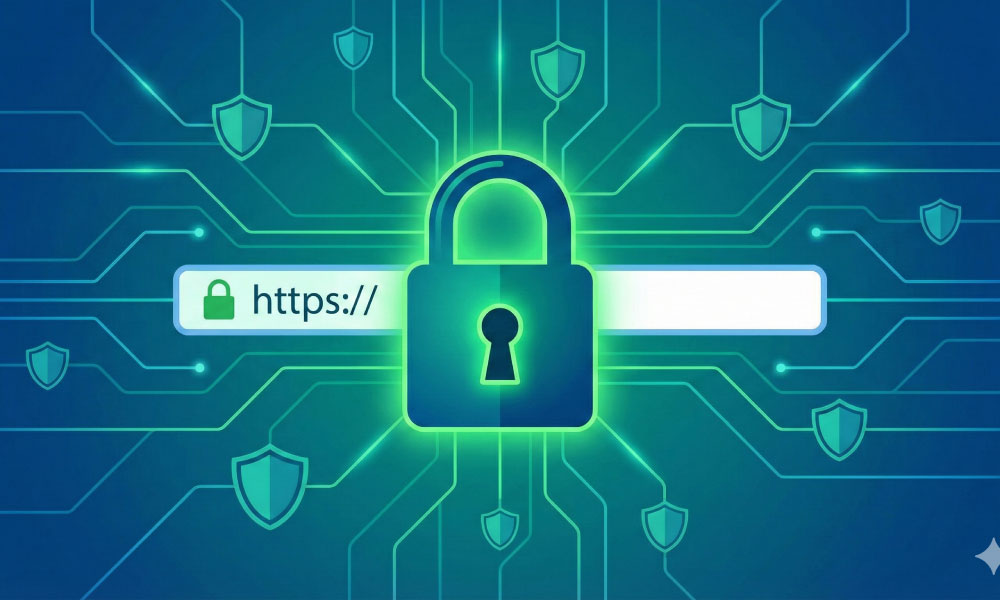
You cannot discuss digital trust without discussing security. Domain management is the control panel for your website’s security protocols, specifically SSL (Secure Sockets Layer) certificates.
When a domain is properly managed, the administrator ensures that SSL certificates are active, valid, and up-to-date. This produces the coveted “padlock” icon in the browser address bar and the https:// prefix.
Google and other search engines now penalize sites without SSL, marking them as “Not Secure” to visitors. If a user lands on your site and sees a security warning because your certificate expired due to poor management, that trust is instantly shattered. They will likely bounce immediately, fearing for their data privacy.

3. DNS Health: The Backbone of Reliability
Behind every domain name is the Domain Name System (DNS). Think of this as the GPS of the internet; it tells traffic where to go.
Poor domain management often leads to neglected DNS configurations. This can result in:
- Slow loading times: Frustrating users and signaling a “cheap” infrastructure.
- Downtime: If DNS records are misconfigured or the service provider fails, your site vanishes.
- Vulnerability: Outdated DNS settings can leave you open to “DNS hijacking,” where attackers redirect your legitimate traffic to a malicious phishing site.
To build digital trust, your website must be available 100% of the time. Robust DNS management ensures that when a customer types in your name, they actually arrive at your digital doorstep.
4. Email Authentication and Phishing Prevention
One of the most overlooked aspects of domain management is its impact on email. Your domain isn’t just for your website; it’s the suffix of your corporate email address.
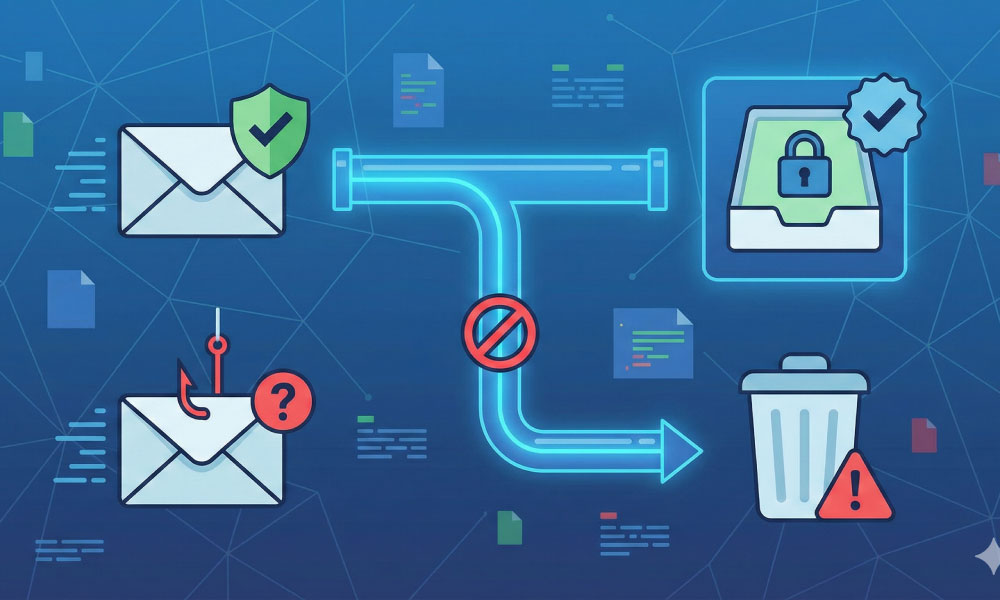
Cybercriminals love to spoof trusted domains to send phishing emails. If your domain management strategy doesn’t include setting up authentication protocols like SPF (Sender Policy Framework), DKIM (DomainKeys Identified Mail), and DMARC, you are leaving your reputation vulnerable.
When you implement these safeguards within your domain settings, you tell the world (and email providers like Gmail and Outlook) exactly which servers are allowed to send email on your behalf. This prevents bad actors from pretending to be you, thereby protecting your customers from scams and preserving your brand’s integrity.
5. The Nightmare of Domain Expiration
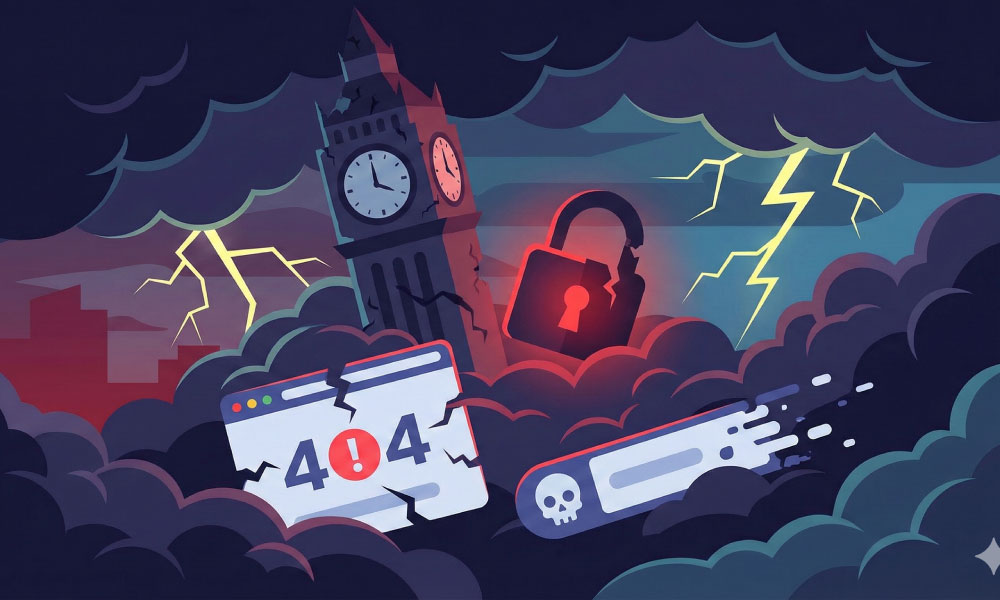
There is perhaps no greater breach of digital trust than a website that suddenly disappears because the domain was allowed to expire.
It happens more often than you think, even to large corporations. When a domain expires:
- Services Halt: Email and websites go down immediately.
- Data Risk: It creates a window where the domain enters a “redemption period.”
- Loss of Ownership: If not caught quickly, the domain is released back to the public market.
Competitors or bad actors can snap up your expired domain, utilizing your hard-earned SEO ranking and existing traffic to push their own products or worse, malware. An automated, proactive renewal strategy is the baseline requirement for maintaining digital trust.
6. Defensive Registration and Brand Safety
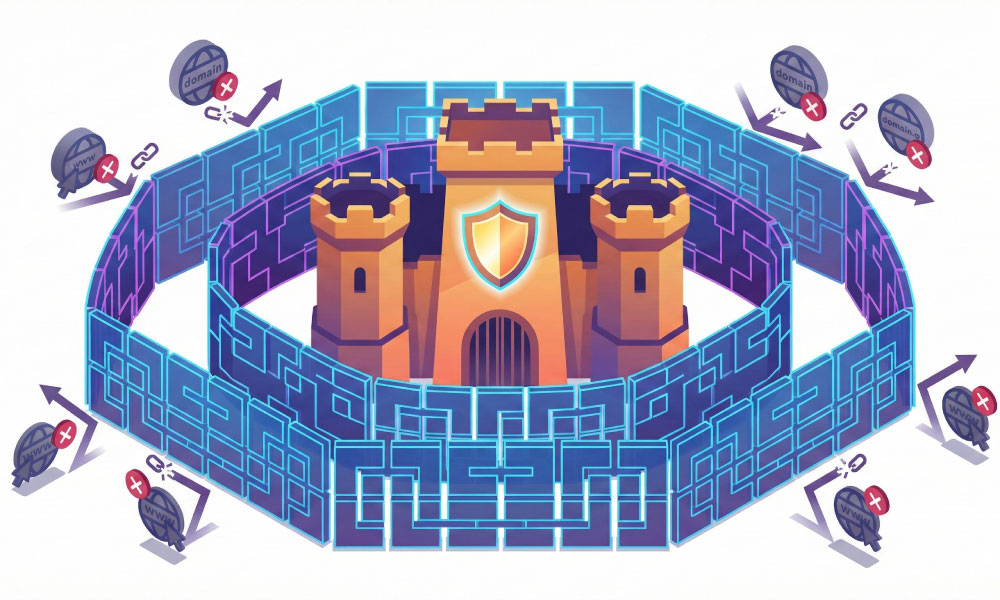
Sophisticated domain management also involves defensive registration. This means buying domains that are similar to yours (common misspellings, different extensions) to prevent “cybersquatters” from using them.
If a customer accidentally types yourbrand.net instead of yourbrand.com and lands on a gambling site or a scam page, they may associate that negative experience with your brand, even though it wasn’t your fault. Managing a defensive portfolio creates a safety net around your digital identity.

Management is Proactive, Not Reactive
Digital trust is hard to earn and easy to lose. It is built on the promise that you are who you say you are, that your digital environment is safe, and that you will be there tomorrow.
Domain management is the mechanism that fulfills that promise. By treating your domains as critical security assets rather than simple administrative line items, you ensure that your digital presence remains a fortress of reliability in an uncertain internet landscape.
Is your domain strategy up to par? It might be time to audit your portfolio, check your security settings, and lock down your digital trust.